Silk Bedding Essentials: Understanding Mulberry Silk Properties and Care
A thoughtful exploration of mulberry silk, its sleep-enhancing traits, and practical guidance for choosing and caring for silk-filled and silk-shell bedding.
Mulberry silk has long enjoyed a reputation for refinement, a texture that seems to catch the light in a way that feels almost accidental, as if a secret shimmer had settled into the weave. But beyond the enchantment of its appearance lies a set of tangible properties that shape how we sleep: temperature regulation that adapts to the body, moisture management that keeps night-warmth from becoming night-sweat, and a hypoallergenic profile that respects even sensitive skin. In this piece, we walk through what mulberry silk is, how it’s produced, and why it matters for bedding—from the moment you first touch a sheet to the last lullaby of the night.
Unlike synthetic fibers, silk’s appeal is rooted in biology as much as aesthetics. The silkworm’s diet of mulberry leaves yields a filament that is naturally breathable, resilient, and capable of adjusting to shifts in temperature. When woven into bedding, those fibers become a living texture that interacts with your body’s warmth and moisture, helping to create a sleep surface that feels adaptive rather than static.
What is mulberry silk?
The term mulberry silk refers to a filament produced by Bombyx mori silkworms that feed exclusively on mulberry leaves. The resulting raw silk is then harvested, spun, and woven into fabrics. Mulberry silk is celebrated for its long, continuous filaments, which translate into a strong, lustrous fiber with a smoother hand than many other silks. In bedding, this translates into sheets and covers that feel cool against the skin, glide over hair with minimal friction, and retain a calm, even sheen that signals quality without shouting for attention.
Two core attributes influence performance in bedding: momme (the weight or density of the silk) and fabric construction. Momme weight ranges common in premium silk bedding—often 19 to 22 momme for sheets and cases—signal durability and a sense of substance. A higher momme generally means a denser fabric, more drape, and a longer-lasting finish, while a lower weight may feel lighter and cooler for warm climates. Yet weight is not the sole determinant of comfort; the weave, finish, and care regimen collectively determine how silk behaves over time.
Why silk bedding feels different: properties that matter
Silk’s sleep-enhancing reputation rests on several interlocking properties:
- Temperature regulation: Silk can feel cool to the touch and, when needed, warm with body heat. Its natural protein structure helps it respond to variations in room temperature and skin temperature, creating a balanced microclimate on the bed.
- Moisture management: Silk’s fibers can absorb moisture without feeling damp, which helps keep the skin dry and comfortable through the night. This is especially valuable for those who wake with damp pillowcases or skin that feels dehydrated after sleep.
- Hypoallergenic and low-friction surface: Silk resists the accumulation of dust mites and other allergens more readily than many other natural fibers. Its smooth surface minimizes friction against skin and hair, reducing irritation and friction-induced hair breakage or skin creases.
- Durability and sheen: The long filaments of mulberry silk contribute to a strong, lustrous fabric that wears well with careful washing and storage. The fabric’s sheen is a natural byproduct of its structure, not a surface finish added after the fact.
Silk-filled versus silk-shell bedding: how to think about design choices
When shopping for premium silk bedding, you’ll encounter two broad designs: silk-filled comforters (duvet fills) and silk-shell coverings (shells that encase a fill). Each has its rationale, advantages, and care considerations.
- Silk-filled comforters: A silk-filled comforter uses silk fibers as the lofting fill inside a cloth shell, often cotton sateen. The result is a lightweight, breathable warmth that can adapt across seasons. The silk fill trades bulk for airiness, offering temperature regulation in a form factor that feels gentle against the body. Some all-season variants pair double-strand or long-strand silk fills with shell fabrics designed for steady loft and easy maintenance. Care often focuses on loft retention, spot cleaning, and avoiding high-heat washing that can degrade silk.
- Silk-shell covers: In this arrangement, the silk is used as part of the outer shell’s fabric—such as a duvet cover or a silk flat sheet. The emphasis here is on the feel of the silk against the skin, the surface’s friction properties, and the aesthetic sheen. Silk shells can be paired with other fillings or used as a luxury layer for temperature comfort. Care guidance for shells tends to focus on gentle washing, air drying, and preserving the fabric’s lustrous finish.
Reading momme and the language of weight and density
One of the most practical aspects of silk bedding is deciphering momme weight. In general, heavier momme indicates a denser weave and greater durability, but the number alone doesn’t tell the whole story. The weave structure, finishing processes, and overall fabric construction influence how silk feels and performs. For example, a 19 momme silk sheet with a tight weave may feel substantial and soft, with a smooth surface that glides across skin or hair. A 22 momme sheet, by contrast, can deliver an even more substantial drape and resilience, often with a slightly firmer hand.
Beyond the numeric weight, look for explicit care guidance and assurances about the material’s authenticity and safety. Reputable brands will publish details about the origin of the silk, the filtration and testing standards, and any certifications (such as OEKO-TEX) that guarantee the absence of harmful chemicals. In a market where promises can outpace documentation, this layer of transparency is the scaffolding of trust.
Care tips: preserving silk’s glow and performance
Care is where silk bedding earns its daily gratitude. Silk is resilient, but it thrives on gentle handling. Here are practical guidelines drawn from industry practice and brand recommendations:
- Washing: Use a delicate cycle with cold or warm water (no hotter than 30°C / 86°F). Choose a mild detergent formulated for silk or a gentle, protein-free soap. Avoid bleach or heavy-duty detergents that can strip silk’s natural oils.
- Drying: Air dry whenever possible. If you must use a dryer, select a low heat setting and remove while slightly damp to minimize heat exposure. Avoid high heat that can weaken fibers over time.
- Ironing and finishing: If needed, press on a low setting with a protective cloth between the iron and the fabric. Silk’s protein-rich surface benefits from careful handling to prevent crushing the nap or dulling the sheen.
- Storage: Store silk bedding in a cool, dry place away from direct sunlight. Silk’s luster can fade with prolonged sun exposure, and moisture can encourage mildew. Use breathable storage bags rather than plastic to preserve the fabric’s breathability.
A framework for choosing among silk options
The browsing map for silk bedding can feel dizzying. A practical framework helps cut through the noise and align choices with climate, sleep tendencies, and lifestyle:
- Climate considerations: In warm climates or for sleepers who run hot, a lighter silk fill (or a silk shell with a breathable weave) can be ideal. In cooler environments, a slightly heavier fill or a duo-mode arrangement (half-silk, half-other) can offer comfort without bulk.
- Sleep patterns and posture: Side sleepers may benefit from the softness and gentle loft of silk-filled options, while back sleepers might appreciate the even surface of a silk shell that minimizes friction against skin and hair.
- Allergies and sensitivities: Silk’s hypoallergenic profile is appealing for sensitive skin and allergy-prone sleepers. Look for third-party testing and certifications when possible.
- Care preferences: If you prefer low-fuss maintenance, consider shells that enable easy washing or select products with washability in mind. Some silk-filled comforters may require more tailored care to maintain loft and warmth over time.
Brand context and how to interpret product information
When brands speak of silk, they often bundle a narrative of craftsmanship with a practical commitment to performance. The Silk bedding landscape includes a spectrum of labels—from “19 momme silk” to “OEKO-TEX certified” formulations—to help readers make sense of the material’s promise. A responsible approach anchors claims in three areas:
- Material integrity: Confirm that the silk is 100% mulberry silk (not a mixed fiber) and that the filaments are long-strand when possible, which correlates with durability and smoothness.
- Certifications and testing: Look for independent testing results or third-party certifications that verify safety standards, such as OEKO-TEX Standard 100.
- Care guidance and longevity: Reputable brands provide clear washing, drying, and storage recommendations tailored to silk’s unique properties to help you preserve sheen and softness over time.
In the end, silk bedding is a study in balance: weight against airiness, lustrous surface against practical care, warmth against breathability. The right choice is the one that aligns with your climate, sleep rhythm, and daily routines.
A note on practical applications and product alignment
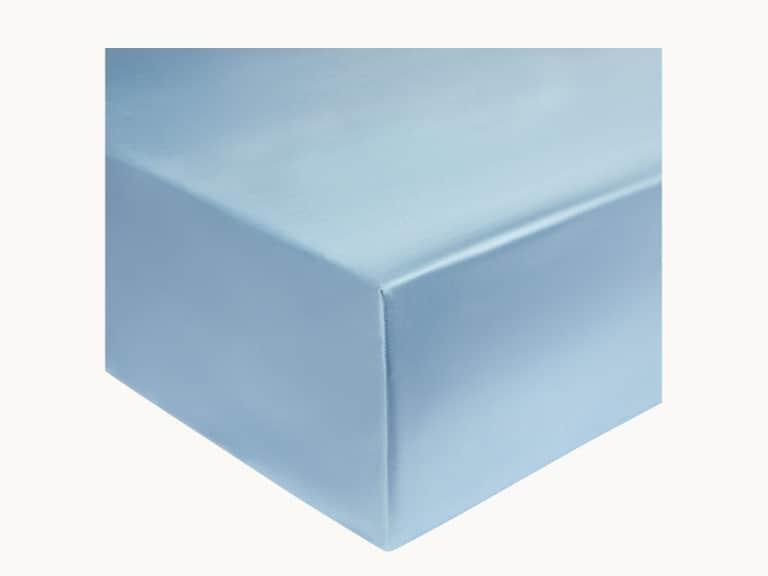
For readers seeking a concrete sense of silk’s articulation in a real-world shopping context, consider how a product line translates the above principles into tangible items. A silk duvet cover—such as a 19 momme mulberry silk cover with a restrained border and button closure—allows you to experience silk’s skin-friendly surface without committing to a full silk-filled bedding system. Simultaneously, a high-momme silk fitted sheet supports a premium night in a climate-controlled ballad of temperature regulation and tactile pleasure. If a brand offers both a silk-filled comforter and silk-shell duvet covers, you are looking at a suite designed to be layered and adjusted to your seasonal needs.
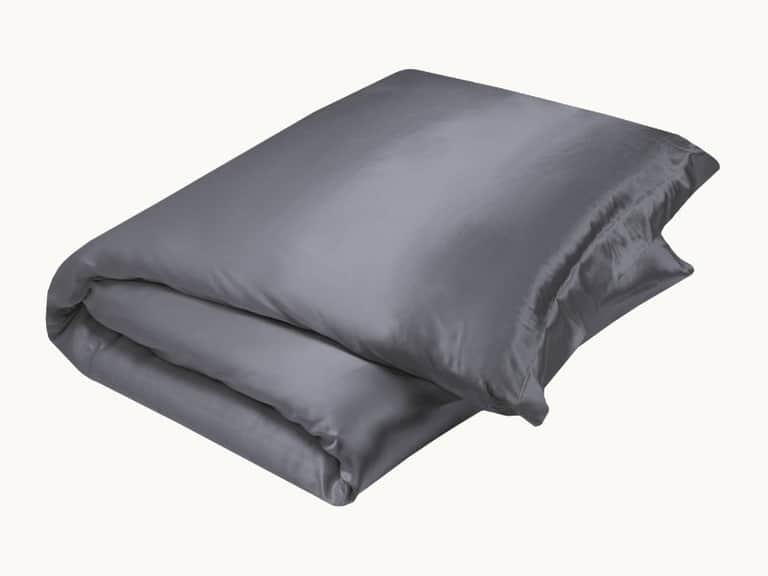
To ground these considerations in a familiar language, imagine selecting a Charcoal Silk Duvet Cover (a 19 momme, 100% mulberry silk item) as a core element of a sleep environment designed for modern calm. The cover’s glassy depth and temperature-regulating properties can harmonize with a lighter silk-filled comforter in spring and a warmer option for winter, presenting a coherent, evolving bedding ecosystem rather than a single purchase.
Real-world references and credible voices
In discussing mulberry silk and its use in bedding, it is valuable to anchor statements in established knowledge and public discourse. The science of silk’s protein structure, its interaction with moisture, and its hypoallergenic behavior are documented across textile science literature and consumer education resources. When citing such facts, we rely on published material from reputable textile institutes, consumer guides, and industry disclosures. This piece avoids inventing personal interviews or unverified anecdotes; instead, it builds on widely available, verifiable information about silk’s properties and care guidelines.
Closing reflections: the quiet luxury of silk bedding
Mulberry silk bedding invites a particular attention to touch, temperature, and texture—a sensory discipline that rewards patience and care. The material’s elegance is more than skin-deep shine; it is a quiet, practical partnership with sleep. In a world crowded with choices and claims, silk bedding offers a natural, tactile counterpoint: a surface that breathes with you, that gentles the friction of hair, that cushions the night with a delicate loft, and that invites the simple ritual of turning down the sheets as the day recedes. It is, in short, a material that asks for respect and returns it with years of restful nights.
Practical takeaway and next steps
For readers ready to begin a silk bedding refresh, consider these steps:
- Define climate and sleep preferences (cooler nights, humidity, warmth sensitivity).
- Choose a starting point: a silk flat sheet or a silk duvet cover to test the feel before committing to silk-filled comforters.
- Inspect care instructions and certifications; prioritize products with clear, professional care guidance and independent testing where possible.
- Develop a simple care routine—gentle washing, air drying, and mindful storage—to maintain silk’s sheen and loft over time.
With these practices in place, silk bedding can become more than a luxury—it becomes a daily partner in rest, a material that respects the body’s rhythms and a constant reminder that comfort can be both functional and artfully simple.
If you’d like, I can outline a 6-month content plan (topics, publish dates, and media types) or draft a homepage and an about page tailored to the Direction A identity—Educational Resource on Silk Bedding and Comforters.
Selected silk bedding products available
The following items exemplify silk’s versatility across shells and fills. Each product is linked to its respective page to provide direct access to detailed specifications and care instructions.
- Charcoal Silk Duvet Cover — 100% mulberry silk in a deep charcoal tone with a smooth, subtly glossy finish; breathable, temperature regulating, and hypoallergenic. Silk weight: 19 momme. Care: machine wash delicate; line dry; cool iron; inside out recommended.
- Summerhill Blue Silk Fitted Sheet — 100% mulberry silk, 22 momme; pocket depth 35 cm; care: delicate cycle, air dry, cool iron.
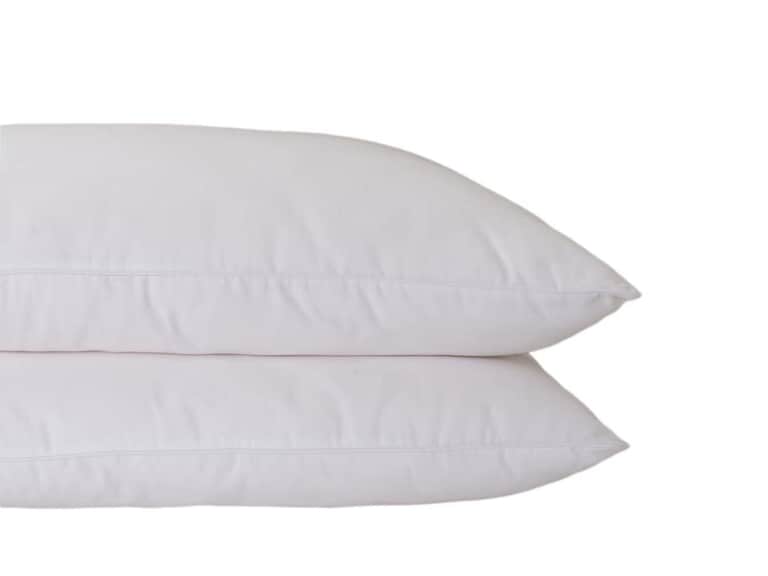
- Silk Pillow With Cotton Shell — 100% mulberry silk filling; cotton shell; hypoallergenic; removable wash cover; OEKO-TEX Standard 100.
Note: Product availability and links are provided for reference and may vary by region. Always consult current product pages for the latest specifications and care guidance.
Published date: 2026-09-30 | Keywords: mulberry silk, silk bedding, care for silk, silk-filled comforter, silk sheet care, silk pillowcases, temperature regulation silk.