Bedding · Seasonal Guide
A Seasonal Guide to Choosing the Right Bedding Layer
The right bedding is less a matter of choosing between summer and winter than of paying attention to the small climate you make around yourself: the room, the mattress, the sleeper, and the hour when the heating switches off.
There is a particular moment in late autumn when a light coverlet stops being enough. The room is still warm from the day, perhaps, but the sheets have taken on the coolness of the night air. A heavier comforter, brought out too soon, seems excessive; left in the cupboard, it begins to look like a promise. Bedding decisions often happen this way—not as grand declarations about climate, but as small negotiations with the temperature at the edge of sleep.
Choosing a seasonal bedding layer is therefore not simply a matter of buying one comforter for summer and another for winter. Bedroom temperature, personal warmth preferences, the weight of the cover, and the construction of the fill all matter. A person who sleeps warm in a well-insulated apartment may need a different arrangement from someone who sleeps cool in a drafty room, even when the calendar insists they are experiencing the same season.
Silk-filled bedding can be a useful point of comparison because it is often made in a range of weights, from lighter options intended for warm nights to more insulating versions designed for cooler conditions. But the name of a fiber is not a complete guide to warmth. Fill amount, shell fabric, quilting, construction, and care instructions help determine how a comforter performs. The aim is not to find a magic layer that overrides the room. It is to build a bed that makes sense for the room you actually sleep in.
Begin with the room, not the season
“Summer bedding” and “winter bedding” are convenient phrases, but they can conceal the most important variable: the temperature near the bed. A home with reliable heating and close-fitting windows may remain comfortable through winter with a moderate-weight comforter. A bedroom that runs hot in July may be unpleasant under a thick duvet even if its owner generally likes a substantial cover.
Before changing layers, observe the room over several nights. Notice whether it cools sharply after midnight, whether sunlight warms it in the afternoon, and whether a thermostat reading reflects the temperature where you sleep. In some rooms, warmth gathers near the ceiling while the mattress remains cool. In others, a sunny wall or a radiator creates a pocket of heat that persists well into the night.
A useful first step is to think in terms of the bed’s microclimate: the air under the covers, the room around the bed, and the way those two environments interact. A comforter does not cool a hot room or warm a cold one without limit. It helps manage the exchange of warmth and moisture between the sleeper and the surrounding space. If the bedroom itself is too warm, reducing the cover may matter more than changing the fill. If the room is cold, adding an adaptable layer may be more comfortable than relying on one very heavy cover.
Keep a brief note of what you use and how you feel in the morning. “Too warm,” “feet cold,” and “comfortable until dawn” are more useful observations than a vague impression that the bedding is wrong. A few nights of attention can reveal whether the issue is overall warmth, uneven coverage, a heavy feeling, or a room that changes temperature after bedtime.
Weight, warmth, and the feeling of a cover
The word “lightweight” can refer to more than one quality. A comforter may feel light in the hand because it has a relatively low fill weight; it may also feel light on the body because it drapes easily or lacks the dense, compressed sensation some sleepers dislike. These are related experiences, but they are not interchangeable. A soft, fluid cover can still provide meaningful warmth, while a bulky cover can feel heavy without necessarily being the most comfortable choice.
Silk-filled comforters are often valued for offering insulation without the same pronounced loft as some other fills. Their feel depends on construction, however, and should be assessed using the specifications supplied for the particular item. A seasonal label, a stated fill weight, or a warmth rating—when provided—can help compare options, but none should be treated as a universal promise. Room temperature, the cover used over the comforter, and individual sleep habits will all affect the experience.
For warm nights, a lighter fill may be a sensible place to start, particularly for someone who tends to overheat under heavier bedding. It may provide a layer of coverage without the same amount of insulation as a winter-weight option. In a cooler room, a heavier seasonal weight may be more appropriate. The correct choice is not necessarily the warmest available one. It is the lightest layer that keeps you comfortable through the coldest part of your usual night.
Some people prefer a little more weight over the body; others want the covers to almost disappear. Neither preference is a flaw to be corrected. It is a practical part of choosing bedding, as relevant as room temperature or mattress size. When possible, handle a comforter or read carefully about its fill and construction before deciding. Descriptions such as “airy,” “plush,” or “all-season” may suggest a general character, but they are not substitutes for understanding what is inside.
Summer: keep the layer simple
In warm weather, the best bedding arrangement may be less elaborate than the winter one. A breathable sheet and a light cover can be enough; on especially warm nights, a top sheet may serve as the only layer. The goal is not to surround the sleeper with fabric for its own sake. It is to have enough coverage to feel comfortable without trapping more warmth than the room requires.
A summer-weight silk-filled comforter is one option for people who want a light cover rather than a bare bed. The phrase “summer weight” should prompt a check of the fill specification and care guidance, not an assumption that every product will feel cool in every bedroom. A humid room, a warm mattress, or a sleeper who runs hot can change the result. Likewise, someone who gets cold late at night may appreciate a light layer even during a heat wave.
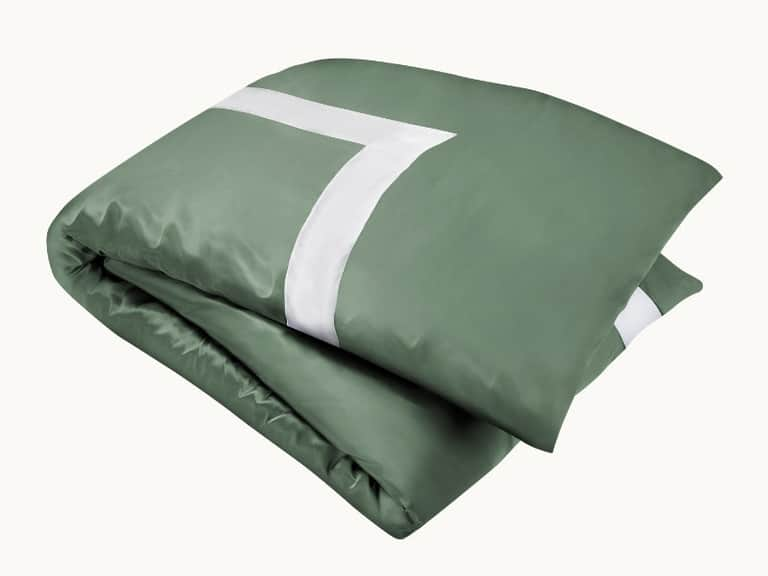
Consider the entire bedding stack. A mattress protector, fitted sheet, top sheet, duvet cover, and comforter each contribute something to the feel of the bed. Removing one unnecessary layer may help as much as replacing the comforter. A silk duvet cover, for example, is a separate textile from a silk-filled comforter; it changes the surface against the body, but it does not tell you how much insulation the insert provides.
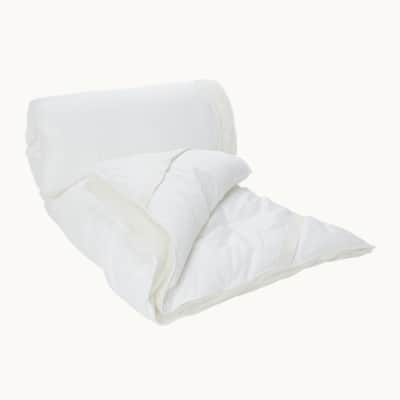
For a silk-filled option with a cotton shell, the All Season Silk Filled Comforter with Cotton Shell offers a useful example of how fill and shell can differ: its description identifies long-strand mulberry silk fill inside a cotton shell. It is described as an all-season design, not specifically as a summer-weight comforter, so consider it in that context rather than assuming it will suit the hottest nights. The practical question remains the same: how does its warmth compare with the room and with your own tolerance for heat?
Winter: add insulation without making the bed cumbersome
When the room cools, a warmer layer can make the bed more inviting. It need not be the thickest comforter on the market. A substantial cover may be exactly right for a cold bedroom, but it can feel cumbersome if the room is heated overnight or if the sleeper changes position frequently. Warmth and ease of movement should be considered together.
A winter-weight comforter is generally intended to provide more insulation than a summer-weight version. Product specifications may state a warmth level, a tog rating, or a fill amount; these can help establish a comparison within a maker’s range. They do not automatically translate across every brand or construction. When one product gives a rating and another does not, avoid treating their labels as directly equivalent.
Layering can offer flexibility. A lighter comforter with an additional blanket may be easier to adjust than a single, very warm layer, especially when room temperatures vary from night to night. Separate layers can also make the bed more adaptable for a couple whose preferred sleep temperatures differ. The trade-off is a bed that may need occasional rearranging, and extra textiles that need storage and care.
A coverlet or blanket can be a useful transitional layer, but it should not be mistaken for a comforter insert. Their constructions and intended roles vary. A coverlet may add a modest amount of warmth and finish the bed; a comforter is typically chosen as a more substantial insulating layer. In winter, choose by function first, then decide how you want the bed to look when it is made.
The in-between seasons call for adjustment
Spring and autumn are the seasons in which a fixed bedding plan is most likely to feel wrong. One night is mild; the next brings a cold front. A comforter that felt perfect at bedtime may seem too warm before dawn, or just right until the heating turns off. Rather than changing the whole bed at the first warm afternoon, make small, reversible adjustments.
One approach is to keep a lighter layer in regular use and place an additional blanket within reach. Another is to use a comforter whose construction allows an extra weight to be added or removed, if the specific design supports that arrangement. Some bedding systems are made to connect layers using ties, buttons, or loops. Those details are only useful when the pieces are designed to work together; a fastening system should not be assumed from appearance alone.
This is also when an “all-season” description needs interpretation. It may indicate a medium or versatile warmth level intended for a range of conditions. It cannot mean that one comforter will suit every person in every climate all year. The label is a starting point for comparison, while your room and comfort preferences provide the final test.
If a comforter feels comfortable for most of the year but too warm for a few weeks, there may be no reason to replace it. A lighter sheet or blanket can bridge the change. If it consistently feels too warm or too cold, despite adjusting the surrounding layers, a different seasonal weight may be more appropriate. The useful distinction is between a temporary mismatch and a persistent one.
Fill and shell are different decisions
When comparing silk-filled bedding, look separately at the fill and the shell. The fill affects insulation, loft, weight, and the way warmth is distributed. The shell is the fabric enclosure: it influences surface feel, breathability, durability, and the care the comforter requires. A silk fill does not necessarily mean a silk shell. Some comforters pair silk fill with cotton, while others use silk for both.
A cotton shell may appeal to someone who prefers a familiar woven surface or wants a different balance of hand and maintenance. A silk shell creates a silk surface around the fill, but its care requirements can differ substantially from those of a cotton shell. Neither construction is automatically superior. The decision depends on tactile preference, how the comforter will be covered, and what level of care is realistic in your household.
Read the description closely for materials, construction, closure or attachment details, and cleaning instructions. Terms such as “long strand” or a stated silk grade describe product specifications, but they do not answer every question about seasonal warmth. If weight or a formal warmth rating is absent, do not invent one from the fabric name. Ask the maker or retailer for the information, or compare the item with a comforter whose specifications are clearer.
Certifications can provide information about particular aspects of a textile, depending on the standard and the product covered. They are not a substitute for checking materials or care instructions, and they do not establish that an item will be comfortable in a particular climate. Treat them as one part of an informed assessment, alongside construction details and your own needs.
Care is part of the seasonal plan
A comforter that is difficult to maintain can turn a sensible seasonal choice into an inconvenient one. Care directions vary by product, even among items made from similar fibers. Some silk-filled comforters are intended to be aired and spot-cleaned rather than washed; others may have a washable cover or a different maintenance method. Follow the instructions for the specific item, not a general rule remembered from another piece of bedding.
Using a duvet cover can help protect an insert from routine soil and reduce the need for frequent cleaning. It also adds another layer to the bed, which may affect the overall feel and warmth. If you are choosing bedding for hot nights, account for the cover as part of the system. If you want to wash the cover often, check that its care directions suit your habits and that its closures and internal ties work with the insert.
Seasonal storage deserves the same attention. Before putting a comforter away, make sure it is fully dry and follow the manufacturer’s storage guidance. Avoid compressing delicate fills for long periods unless the instructions specifically permit it. A clean, dry storage place protects the bedding between seasons and makes the annual changeover less of a gamble.
There is little glamour in reading a care label. There is, however, a certain satisfaction in finding bedding that does not require a heroic effort to keep in good condition. Ease of maintenance belongs in the decision alongside warmth, weight, and price.
A practical comparison before you choose
When comparing options in a comforters category, gather the information in one place. Instead of relying on a product’s title alone, note the fill material, shell material, stated seasonal weight or warmth information, construction, care requirements, and any features intended to secure it inside a duvet cover. A short comparison can reveal that two similarly named comforters are designed for different uses.
- Warmth: Is the comforter described as summer, winter, or all-season? Is there a fill weight or rating that makes comparison more precise?
- Construction: What materials make up the fill and the shell? Are layers secured or arranged in a particular way?
- Room conditions: Does your bedroom stay warm, cool quickly, or change significantly through the night?
- Personal preference: Do you like a light drape, more coverage, or a noticeably substantial layer?
- Care: Can you follow the cleaning and airing instructions comfortably, and do they fit your routine?
- Adaptability: Can the comforter be layered with other bedding, and are the relevant ties or connections clearly specified?
This list is not a scoring system. A comforter need not win every category to be right for you. Someone who sleeps warm may put breathability and lightness first; someone in a cold room may give more weight to insulation. The point is to make the trade-offs visible before the first night under the new layer.
A few common misjudgments
The first is assuming that natural fibers automatically solve overheating. Fiber properties matter, but the complete bedding system matters too. A warm room, thick mattress protector, heavy cover, or several layers can still leave a sleeper uncomfortable. Changing just one element at a time makes it easier to identify the cause.
The second is choosing warmth by the coldest evening of the year. If the bedroom is comfortable on most nights, a very heavy comforter may be excessive for long stretches. A moderate layer with a separate blanket may offer more control. Conversely, a person who sleeps cold should not choose a summer-weight comforter simply because its material is described as breathable.
The third is confusing a duvet cover with an insert. A silk cover changes the fabric at the surface and protects what is inside; it does not tell you whether the insert is suitable for a warm summer night. Product names can make the distinction easy to miss, so check the materials and included components.
Finally, beware of treating words such as “cooling,” “all-season,” or “temperature regulating” as guarantees. They can describe design intentions or material characteristics, but a sleeper’s comfort remains individual. Use the language as a clue, then look for concrete specifications and consider the conditions in your bedroom.
Choose the layer that fits the night you have
The most useful seasonal bedding arrangement is often a modest one: a layer suited to the room, another within reach when the weather changes, and enough attention to know when the arrangement is working. Silk-filled options can be part of that approach, whether the aim is a lighter cover for warmer nights or an insulating layer for cooler ones. But fiber is only one part of the decision. Weight, shell, construction, care, and personal preference belong in the same conversation.
Start with the temperature where you sleep, not an abstract seasonal chart. Then ask whether you want less warmth, more warmth, or simply a different feel against the body. Compare the fill and shell separately. Check the care guidance before deciding that a comforter will suit your household. If the description leaves a question unanswered, seek a specific answer rather than guessing.
A bed is a small climate system, assembled one layer at a time. Its success is not measured by how luxurious it sounds in a description, or by whether it matches the month on the calendar. It is measured in the quieter evidence of an ordinary night: a comfortable room, a cover that feels neither oppressive nor inadequate, and the absence of any need to negotiate with the blankets at three in the morning.